A massive dust storm, or haboob, swept across the Sahara Desert from western Algeria into Mauritania, Morocco, Western Sahara and the Canary Islands on March 30. The dust stretched for more than 1,000 miles.
As meteorologists observed the dust storm from space via weather satellites, social media users captured the incoming dust storm on camera. One video shows a thick wall of dust and sand moving toward a resident of the town of Tindouf, near the Mauritanian, Western Saharan and Moroccan borders.
How does the dust affect tropical storms in the Atlantic?
While this storm didn't make it too far off the coast, significant amounts of dust can drift westward from Africa across the Atlantic beginning in May. This can inhibit tropical storm formation, or the strengthening of an existing system, because the dusty air has about 50% less moisture than the typical tropical atmosphere.
Strong winds in the dust layer can also substantially increase the vertical wind shear in and around the storm environment, potentially disrupting any storm that forms.
LATEST POSTS
- 1
 Step by step instructions to Open a Lovely Waterway Voyage Insight: Conveniences, Administrations, and Elite Offers
 - 2Building a Maintainable Closet: Individual Excursions in Moral Style
- 3Select Your Cherished Fish
- 4The race to mine the moon is on – and it urgently needs some clear international rules
- 52024 Ferrari Roma With Just One Owner & 3,300 Miles For Sale At $...



- The Best 20 Tunes that Characterized an Age
- Finding Europe's Head Traveler Objections: An Excursion Through Famous Attractions
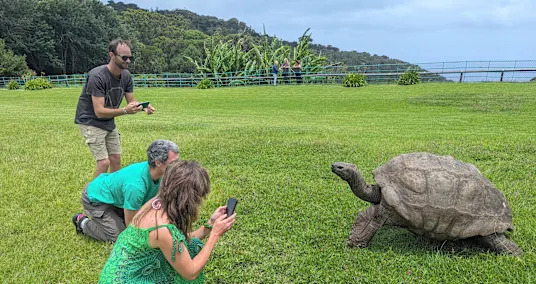
- World's oldest known tortoise still very much alive despite rumor to the contrary
- Aid sent by ambulance to Ukraine front line
- FDA approves Wegovy pill for weight loss
- US FDA approves Kura-Kyowa's blood cancer therapy
- 5 Critical Rules For Business Regulation Chiefs
- The most effective method to Pick The Right Speakers
- Born under fire: MDA delivers baby in Jerusalem minutes before rushing to shelter