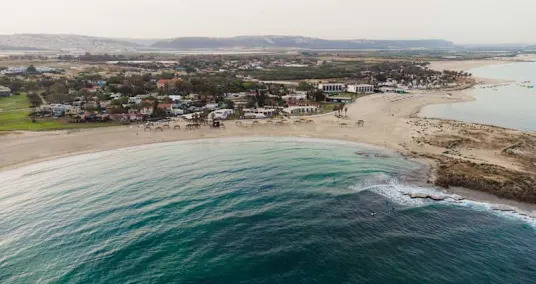
The discovery was made in an ancient shipwreck in the Dor Lagoon near the Carmel Coast, where archaeologists recovered nine pieces of unprocessed iron known as “blooms.”
Researchers from the University of Haifa said Wednesday that an underwater excavation off Israel’s northern Mediterranean coast uncovered what they described as the earliest known cargo of raw iron transported by ship, dating back around 2,600 years, Xinhua reported.
The discovery was made in an ancient shipwreck in the Dor Lagoon near the Carmel Coast, where archaeologists recovered nine pieces of unprocessed iron known as “blooms.” According to the university, the find provides direct evidence of how iron was transported in its earliest commercial stages.
The material was preserved in its original form, having solidified directly in a smelting furnace without undergoing forging or further refinement. Researchers said this distinguishes the cargo from later iron artifacts that typically show signs of shaping or tool-making.
Unlike copper and bronze, which could be melted into liquid form in ancient production processes, iron was heated with charcoal to produce a solid, porous mass. That mass was generally hammered to remove impurities and create denser material suitable for tools and implements.
The recovered blooms showed no indication of that secondary processing stage, suggesting they were transported immediately after production.

Earliest iron shipment discovered in ancient Mediterranean wreck
To determine the age and condition of the cargo, researchers conducted microscopic and chemical analyses.
Radiocarbon dating was also carried out on charred wood embedded in one of the pieces, helping confirm the timeline of the shipment. The findings were published in the journal Heritage Science.
Researchers said the cargo indicates that iron was being moved in raw form from production sites to other locations for further processing, pointing to a level of specialization in ancient manufacturing and trade networks in the Mediterranean.
The University of Haifa said the discovery provides new insight into early iron production and distribution practices in the region.
LATEST POSTS
- 1
 Step by step instructions to Pick an Incineration Urn: Variables to Consider
 - 2Instructions to Shield Your Gold Speculation from Possible Dangers: Fundamental Protections
- 321 Things You Ought to Never Share with Your Childless Companion
- 4Manual for 6 well known Amusement Park
- 54 DSLR Cameras for Amateurs in 2024





- Flu cases are rising with a strain that makes older people sicker
- UK clothing inflation climbs as Middle East turmoil threatens wider price rises
- Find the Excellence of Old style Expressive dance: Encountering the Effortlessness and Polish of Dance
- Pfizer says patient dies after receiving hemophilia drug in trial
- Step by step instructions to Lessen Your Gamble of Creating Cellular breakdown in the lungs
- Vote In favor of Your Favored Keeping an eye on
- Fisherman Attacked by Great White Shark Says ‘My Left Foot Was in His Mouth’
- Netflix is releasing a documentary on Elizabeth Smart. What to know about her kidnapping, rescue and where she is now.
- Fundamental Home Machines: An Easy to understand Determination Guide