The deepening energy crisis triggered by the US-Israel war with Iran has thrust energy security back onto the political stage in European countries — and widened fault lines along with it.
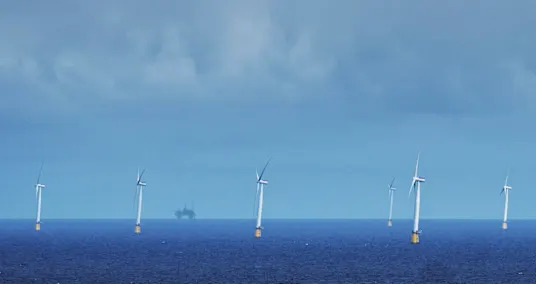
In the UK — which is particularly vulnerable because of its imports of gas, and which suffered hefty price rises following Russia’s 2022 invasion of Ukraine — attention this time has shifted from diversifying supply away from single countries to a broader push to move beyond fossil fuels, said Annabel Rice, a senior political adviser at the Green Alliance, a London-based think tank. Or at least, that’s the takeaway the governing Labour Party seems to have settled on, casting renewables as more insulated to oil price shocks.
France is similarly leaning towards reducing reliance on hydrocarbons. The country’s prime minister has tasked his cabinet with identifying priority actions to electrify the economy. Others in Europe, such as Italy, have so far opted to double down on fossil fuels to cushion the blow from surging electricity bills. The UK’s opposition Conservative Party is pitching a similar idea, launching a “Get Britain Drilling” campaign this week, pressing to reverse the country’s ban on North Sea oil and gas licenses and claiming it would cut bills significantly.




 7 Countries Where You Can Buy a Home for Under $100,000
- RFK Jr. guts the US childhood vaccine schedule despite its decades-long safety record
- Shah Capital pushes for Novavax sale, warns of proxy fight
- World leaders, rights groups react to COP30 climate deal
- Journey Lines for Each Explorer: Track down Your Ideal Journey
- Progress Over Perfection: Lessons From Garment Factories Fighting Heat Stress
- 3 astronauts settle into their new life in orbit | On the International Space Station this week Dec. 1-5, 2025
- Doctors say changes to US vaccine recommendations are confusing parents and could harm kids
- Huge Iranian missile fragments, intercepted by air defenses, lay scattered across Israel, West Bank