Dec 16 (Reuters) - U.S. Health Secretary Robert F. Kennedy Jr. on Tuesday added two rare genetic disorders, Duchenne Muscular Dystrophy and Metachromatic Leukodystrophy, to the federal newborn screening list to enable early treatment, the Department of Health and Human Services said.
The decision updates the Recommended Uniform Screening Panel (RUSP), which guides state-level newborn screening programs, following a scientific review and public comment process.
Early detection of Duchenne Muscular Dystrophy (DMD) and Metachromatic Leukodystrophy (MLD) will allow children to receive FDA-approved therapies at the most effective time, helping slow disease progression and preserve quality of life, the HHS said.
DMD, a rare genetic disorder, causes muscle degeneration, while MLD affects the brain and nervous system, which leads to loss of motor and cognitive function and early death.
Most children with DMD or MLD are diagnosed at age four or five, when significant muscle loss or neurological decline has already occurred, the HHS said.
The agency said that screening at birth could reduce years-long diagnostic delays, repeated specialist visits, and the financial and emotional strain often associated with rare diseases.
(Reporting by Siddhi Mahatole in Bengaluru; Editing by Shinjini Ganguli)
LATEST POSTS
- 1
 Federal judge upholds Hawaii's new climate change tax on cruise passengers
 - 26 Top of the line Lodgings All over The Planet, Which One Do You Concur With
- 3Building an Individual Brand: Illustrations from Powerhouses
- 4Instructions to Decide the Best SUV Size for Seniors
- 5Step by step instructions to Figure out the Natural Effect of 5G Pinnacles


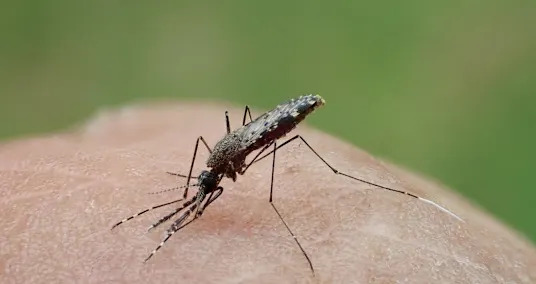
- Mosquitoes carrying malaria are evolving more quickly than insecticides can kill them – researchers pinpoint how
- Step by step instructions to Look at Compact disc Rates: A Thorough Aide
- The Green Transformation: 5 Feasible Living Practices
- What's your biological age? Experts explain the benefits and risks of at-home tests
- 5 Great Crossover Vehicles For Eco-friendliness In 2024
- Don’t let food poisoning crash your Thanksgiving dinner
- Warning for snow and ice extended
- 5 Indoor Plants That Further develop Air Quality
- Choosing the Ideal Bed for Quality Rest and Solace