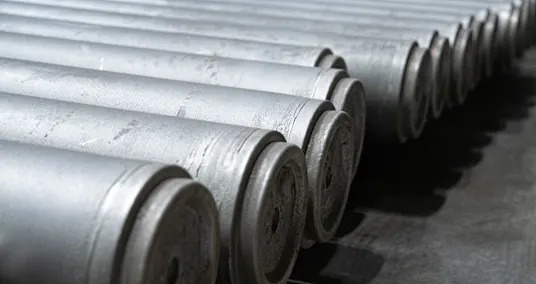
Fears of global aluminium shortages that could affect the production of clean energy technologies intensified after Iran struck two major Gulf aluminium producers, sending prices to a four-year high. The Middle East accounts for 9% of the world’s production of aluminum, which is essential to a wide range of industries from transportation, construction, and packaging, as well as the manufacture of solar panels, electrical transmission systems, wind turbines, and EVs.
Export shipments to the US and Europe had already come to a halt because of the effective closure of the Strait of Hormuz, and Morgan Stanley economists singled out aluminium as carrying a high level of risk across the value chain. Andy Farida, an aluminium analyst at Fastmarkets, told Semafor that high prices would be passed on to end-users, ultimately causing demand destruction. “A prolonged shutdown (with little to no alternative supplies other than Russia and China) could cripple the supply of aluminium to support the production of clean and green technology,” he said, adding that relief could come “if governments allow some sanctioned Russian and Chinese aluminium to be imported.”

LATEST POSTS



 Step by step instructions to Pick the Right Dental specialist for Your Dental Inserts Technique
- 2024's Savvy Home Gadgets for an Associated Way of life
- Glamour Shots once ruled the mall. I went to one of the last ones standing.
- Astronauts' brains change shape and position after time in space, study finds
- Rescuers give up hope for the humpback whale stranded in the Baltic Sea
- Astronomers detect black hole blasting winds at incredible speeds
- Figure out How to Involve a Brain science Certification in Showcasing
- Antivirus Programming for Exhaustive Security
- One perk to marrying Richard Marx later in life? 'We don't have time' for stupid arguments, says Daisy Fuentes.