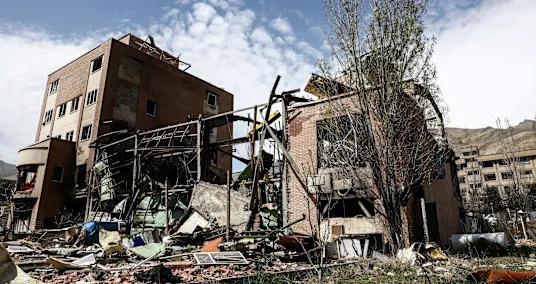
In Tehran, a city of nine million people, schools are closed, businesses are shuttered or struggling, and locals are living without a functioning air-raid warning system or public shelters. In many areas, the first sign of an incoming strike is the explosion itself.
There have been twice as many US and Israeli attacks on Iran compared to the number of Iranian retaliatory strikes since the war began — and the numbers killed in Iran have been orders of magnitude greater than in the neighboring Gulf states. A nationwide internet blackout, now entering its second month, has left civilians unable to access information about safety, shelter, and food and has meant some are unable to work. But while millions have fled Iran’s cities, many more are staying where they are. Some residents are hoping the US and Israeli bombs will cause the regime to collapse; others are left wondering if they are at risk if their neighbors are targeted.
For the many Iranians with ties to Dubai, there are other pressures, with Iranian nationals now barred from entering or transiting through the UAE. Residency permits, even for those with long-term Golden Visas, are reportedly being revoked without notice.

LATEST POSTS
- 1
 China Just Got Another Cheap EV America Would Love to Have
 - 2Kelsey Grammer on having a new baby at 70: 'You're just more available now'
- 3Instructions to Distinguish the Wellbeing Dangers Related with 5G Pinnacles
- 4The Most Famous Virtual Entertainment Powerhouses of the Year
- 5Involved Vehicles for Seniors: Track down the Best Picks for Solace and Unwavering quality



- The Fragrant Small Tree Birds & Pollinators Love With Stunning Flowers In Summer
- Winter storm warnings issued across Northeast as up to 9 inches of snow forecast; deadly atmospheric river in California snarls travel
- Figure out How to Clean and Really focus on Your Lab Jewel
- Sean 'Diddy' Combs faces new sexual assault allegations, currently under investigation by Los Angeles Sheriff's Department
- Vote in favor of your Favored Kind of Scarf
- Many European nations want Israel to cancel 19 new settlement plans
- What you need to know about flu treatments as cases spike across the US
- Scientists train to dive beneath polar ice as climate change warms the Arctic and Antarctica
- MEPs urge Commission leaders to stop Russia from returning to the Venice Biennale